
Description
Product Overview
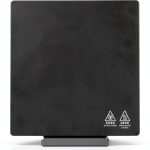
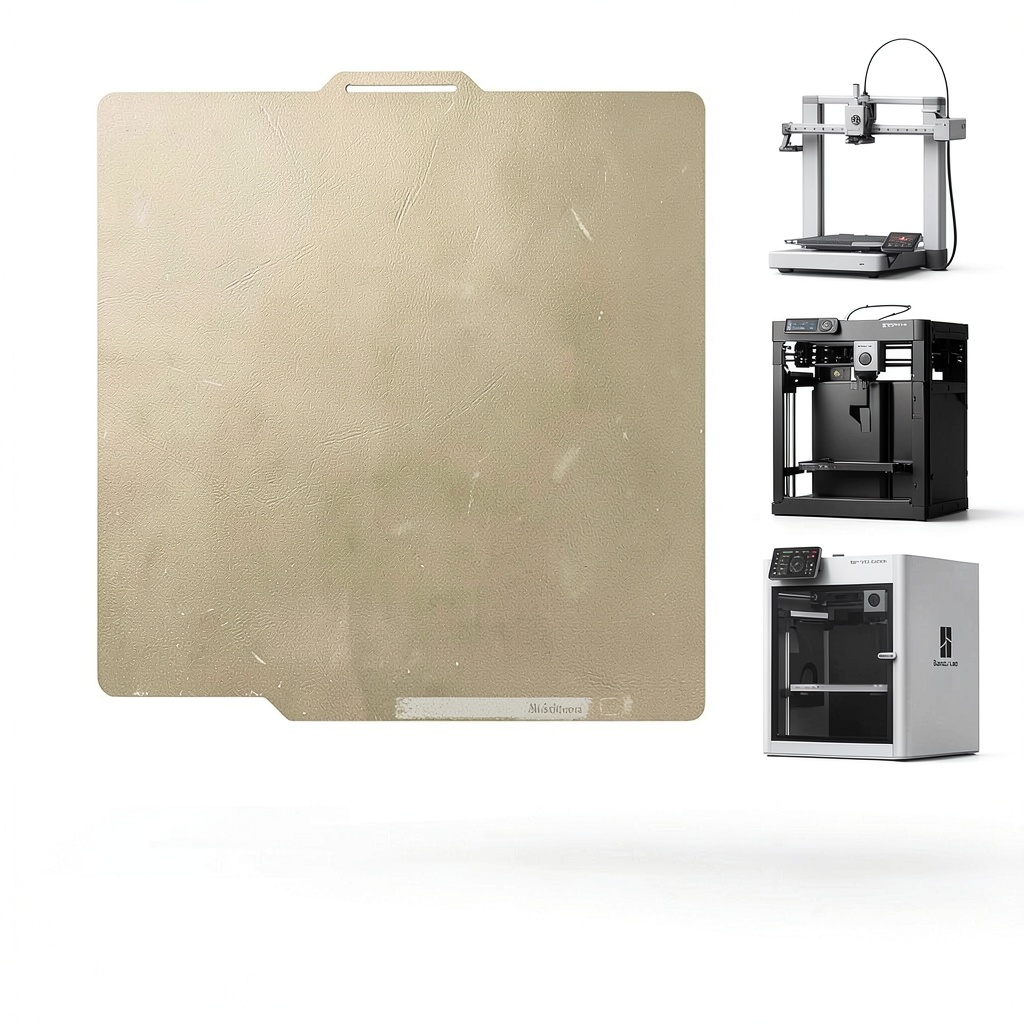
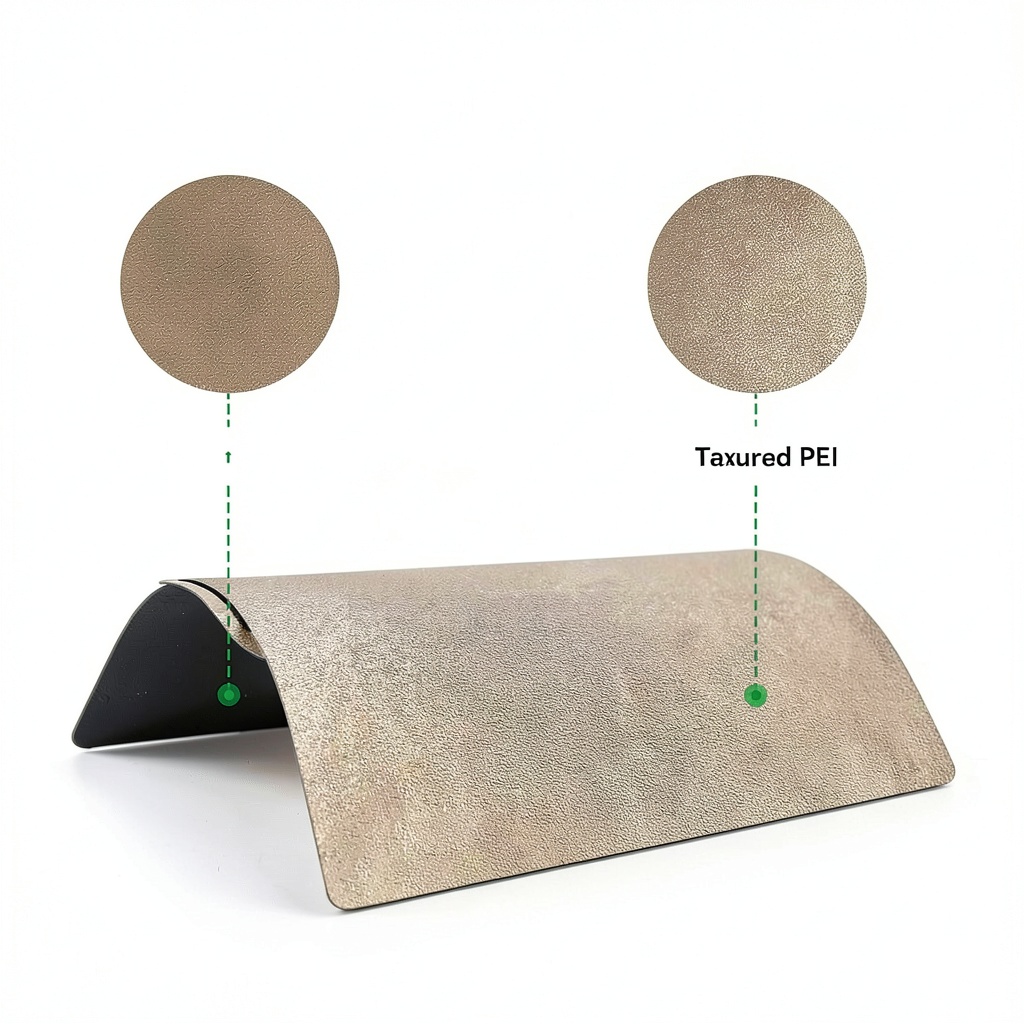
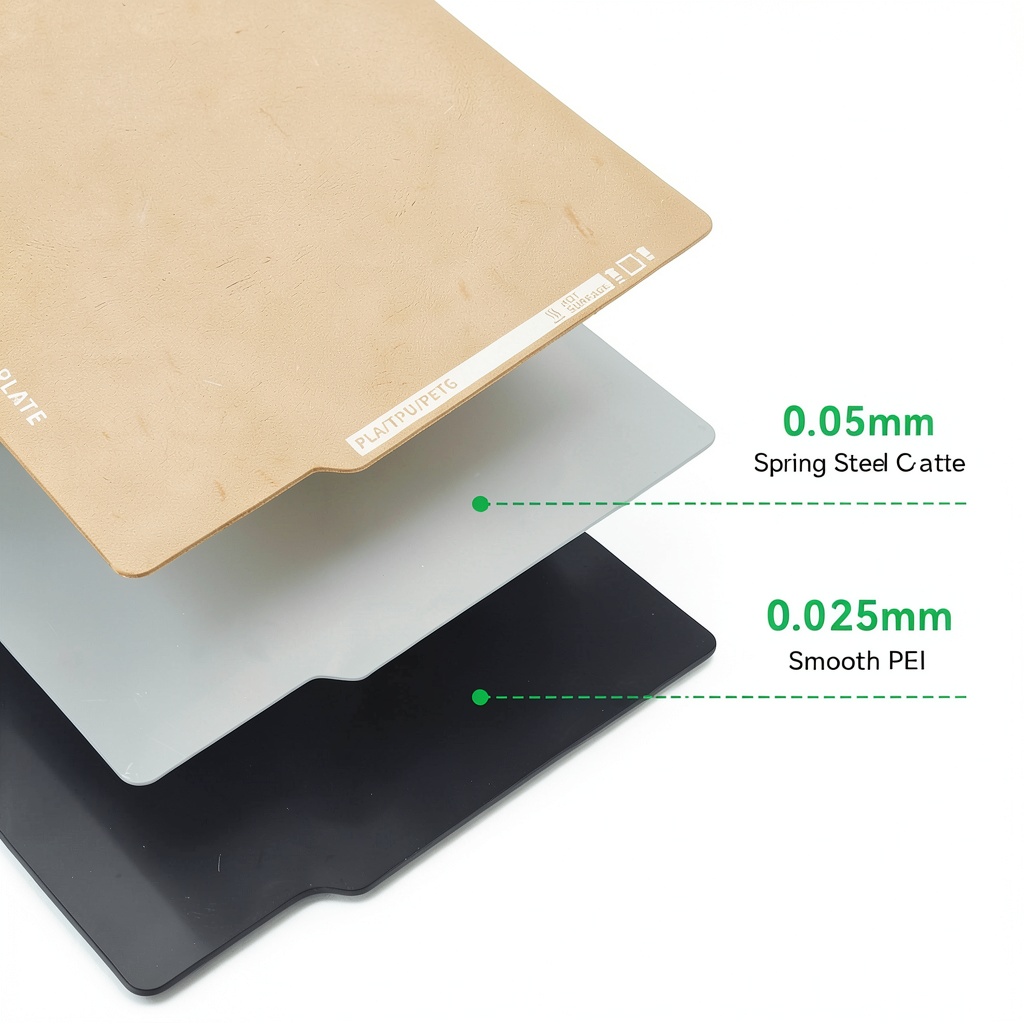
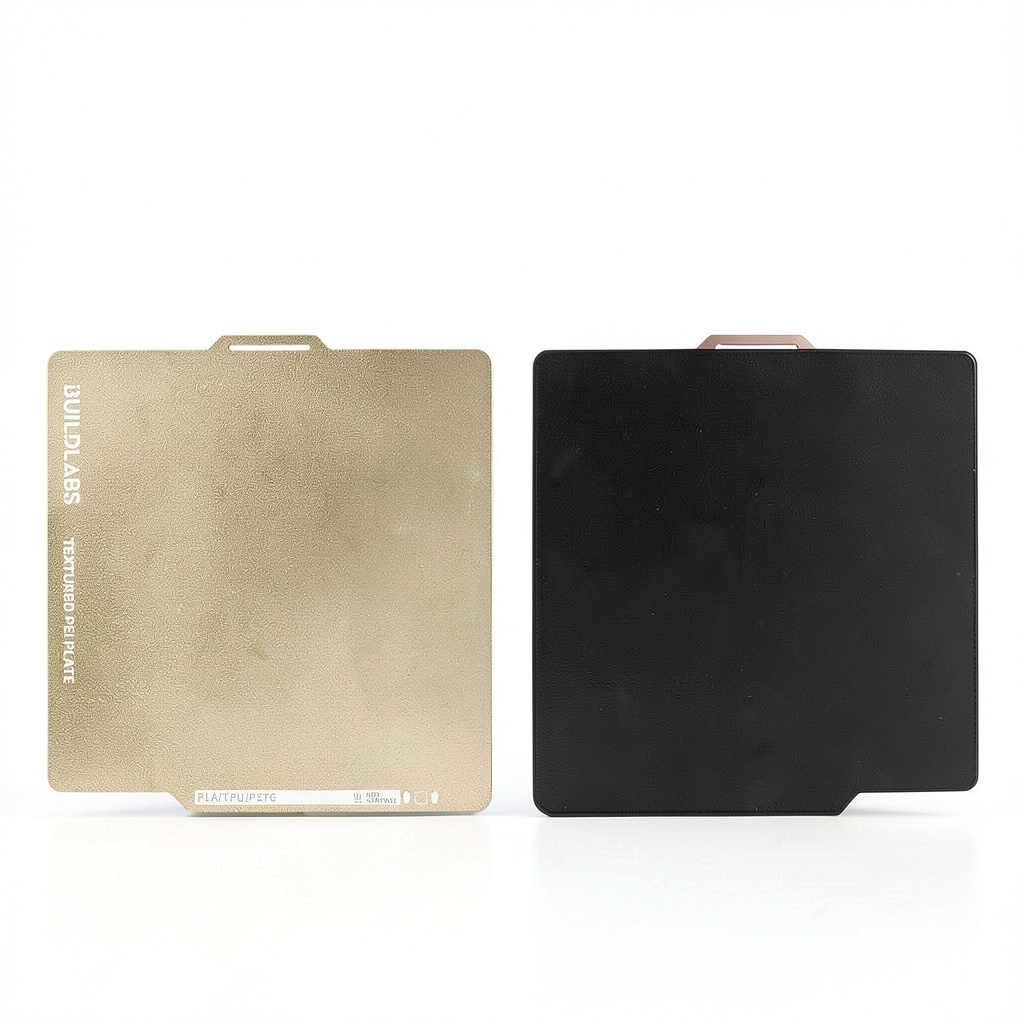
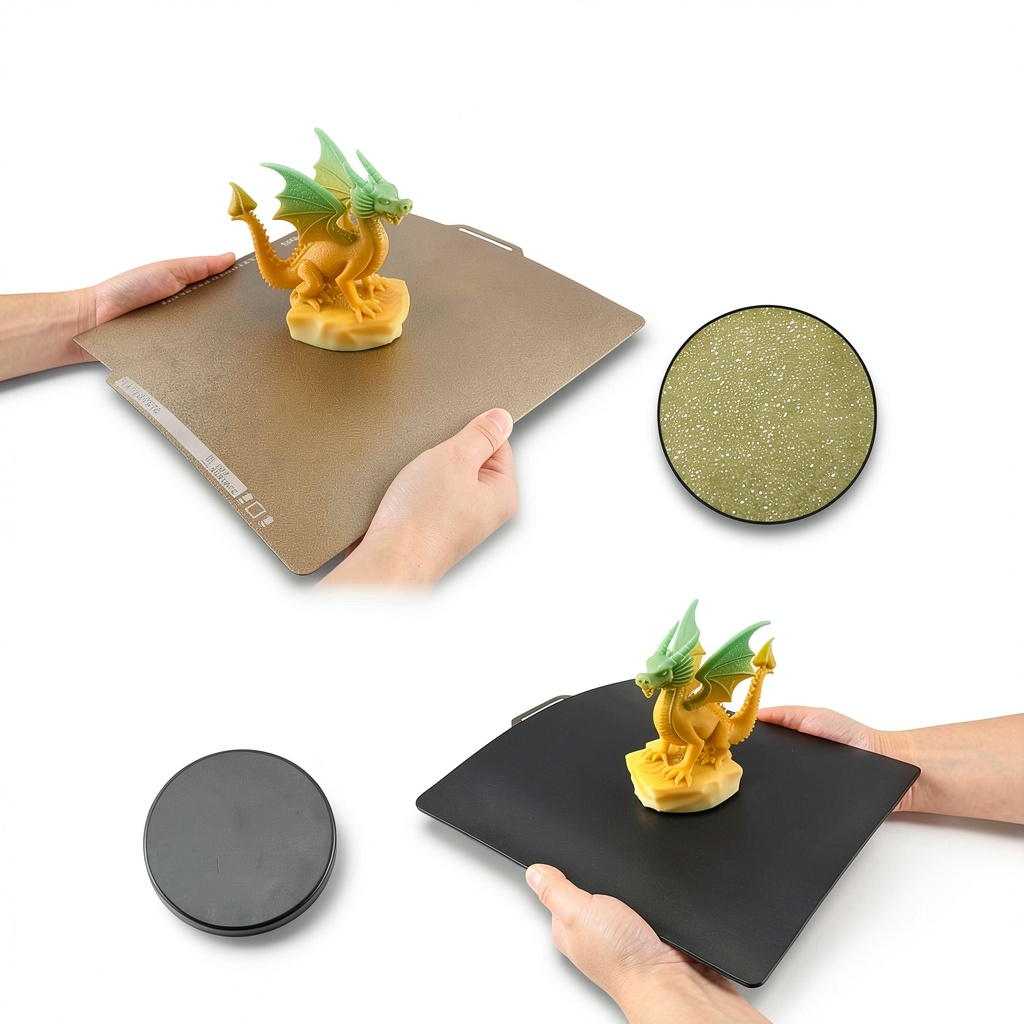
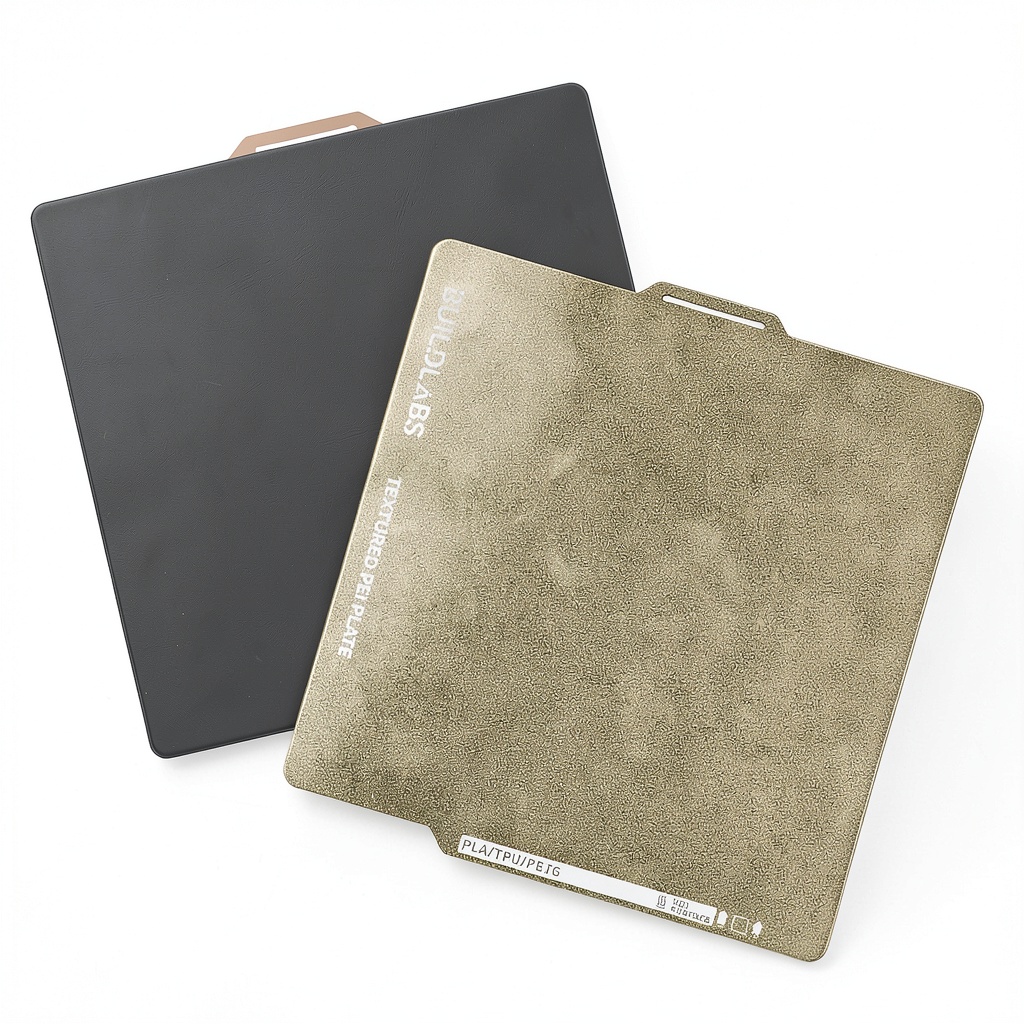
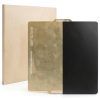
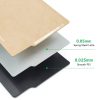
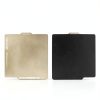
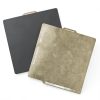
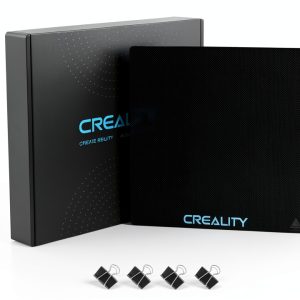
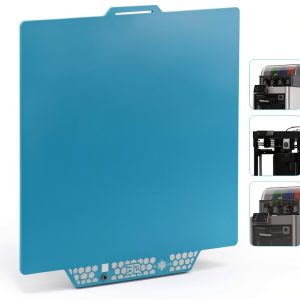
Introducing the dual‑sided PEI build plate designed specifically for Bambu Lab 3D printers. This plate measures 257 mm by 257 mm, providing full coverage for the X1, X1C, X1E, P1P, P1S, and A1 models. One side features a textured PEI surface that creates a micro‑rough finish, encouraging the first printed layer to grip firmly without the need for additional adhesives. The opposite side is a smooth PEI surface that allows printed parts to release cleanly once the heated bed cools, reducing the risk of damage during removal. The plate is only 0.5 mm thick, keeping the Z‑axis height low while maintaining structural rigidity. A built‑in 0.5 mm magnetic layer secures the plate to the printer’s metal heatbed, eliminating the need for screws or clips and ensuring a flat, stable printing platform. The PEI material is chemically inert, resistant to warping, and can endure thousands of heating cycles without degradation. Dimensions of the package are 11.14 × 10.39 × 0.28 inches, weighing 11.36 ounces, making it easy to handle and install. The build plate is compatible with the standard Bambu Lab firmware, requiring only a simple toggle in the printer settings to select the appropriate side. This versatility makes it an ideal upgrade for hobbyists, educators, and professional makers who demand consistent first‑layer adhesion and effortless part removal across a variety of filament types, including PLA, PETG, ABS, and TPU. The plate’s dual texture also supports advanced printing techniques such as multi‑material prints and fine detail work, where different surface characteristics can improve overall print quality. With its robust construction and magnetic attachment, the plate remains firmly in place even during high‑speed prints, reducing vibrations and improving dimensional accuracy. The product is manufactured by BUILDLABS, a trusted name in additive manufacturing accessories, and carries the model number PEI‑BAM. It has earned a solid customer rating of 3.8 out of 5 stars from 14 reviews, reflecting reliable performance in real‑world applications.
PEI, or polyetherimide, is a high‑temperature engineering polymer known for its excellent chemical resistance and dimensional stability. In the context of 3D printing, PEI provides a surface that can tolerate bed temperatures up to 120 °C without softening, allowing users to print high‑temperature filaments such as ABS and Nylon with confidence. The material’s low surface energy reduces the likelihood of filament sticking too aggressively, which can cause damage when removing prints. Moreover, the PEI coating is applied in a single, continuous layer that eliminates seams or joints that could otherwise trap debris and affect print quality. The plate’s magnetic backing is composed of a nickel‑copper alloy that offers both strong magnetic pull and corrosion resistance, ensuring long‑term reliability even in humid workshop environments. Thermal conductivity of the PEI sheet is balanced to provide rapid heat transfer from the printer’s heated bed while maintaining a uniform temperature across the entire surface, preventing hot spots that could lead to warping. The dual‑texture design also aids in temperature distribution; the textured side slightly increases surface area, enhancing heat absorption, while the smooth side offers a more uniform thermal profile for delicate prints. This thoughtful engineering makes the plate suitable for both rapid prototyping and detailed artistic models, delivering consistent results across a wide range of print sizes and geometries.
![[Product front view showing all components]](https://www.ecomwave.store/wp-content/uploads/2026/07/5a136a7192964ab2896bd88e622bb06b.jpg)
Usage
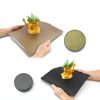
Designed for a wide range of printing environments, the dual‑sided PEI build plate excels in both home workshops and professional labs. When printing with PLA or PETG, users typically select the textured side to achieve a strong first‑layer bond that prevents warping on larger prints. For materials that benefit from a smoother release, such as TPU or flexible filaments, the smooth side provides a low‑friction surface that allows the part to slide off as the bed cools to room temperature. The magnetic attachment simplifies plate changes during material swaps, enabling quick transitions between filament types without the need for tools. Because the plate is only half a millimeter thick, it does not interfere with the printer’s Z‑offset calibration, preserving the precise layer height settings defined in the slicer. The plate’s durability makes it suitable for continuous operation in educational settings where students may experiment with a variety of print profiles and infill patterns. In industrial prototyping, the plate’s ability to maintain consistent adhesion across multiple prints reduces downtime caused by failed first layers, increasing overall throughput. The plate also supports advanced features such as automatic bed leveling, as the flat magnetic surface provides a reliable reference plane for the printer’s sensor. Users who employ multi‑material extruders can take advantage of the dual texture by printing the base layers on the textured side for stability, then switching to the smooth side for the final aesthetic layers, achieving a seamless finish without additional post‑processing. The plate’s compatibility with the Bambu Lab firmware means that the printer can automatically detect the active side and adjust temperature settings accordingly, further simplifying the workflow. Whether you are creating functional prototypes, artistic models, or educational demonstrations, the dual‑sided PEI build plate offers the flexibility and reliability needed to achieve high‑quality results.
To achieve optimal results, users should calibrate the printer’s Z‑offset after installing the plate, as the magnetic layer adds a minimal thickness that can affect the nozzle’s distance from the build surface. A simple test print, such as a single‑layer square, can be used to fine‑tune the offset until the filament is slightly squished against the plate, indicating proper adhesion. When printing with materials that require higher bed temperatures, such as ABS or polycarbonate, the textured side should be selected and the bed temperature set between 90 °C and 110 °C, depending on the filament manufacturer’s recommendations. For prints that benefit from a smoother release, such as flexible TPU or intricate resin‑like details, the smooth side works best at lower temperatures, typically 50 °C to 60 °C, allowing the part to detach as the bed cools without excessive force. The magnetic attachment also simplifies the process of swapping plates when experimenting with different surface finishes or when a plate becomes worn. Users can store the unused side in a dry environment to preserve its surface integrity, and the plate can be cleaned with isopropyl alcohol or a mild detergent to remove residual filament or dust. In high‑throughput environments, the plate’s ability to withstand repeated heating and cooling cycles reduces the need for frequent replacements, contributing to lower operational costs. Additionally, the plate’s flatness ensures that the printer’s auto‑leveling sensor receives accurate data, which is crucial for maintaining consistent layer heights across large prints. By following these best practices, makers can fully leverage the dual‑texture functionality to improve print success rates and overall productivity.
Why Choose Us
BUILDLABS has a long history of producing high‑performance components for additive manufacturing, and the dual‑sided PEI build plate reflects that commitment to quality. Each plate undergoes a rigorous testing process that includes thermal cycling, adhesion trials, and surface uniformity inspections to guarantee that it meets the demanding standards of Bambu Lab printers. The PEI coating is applied using a proprietary extrusion technique that creates a consistent, defect‑free surface, ensuring that every print starts on a level foundation. Our magnetic base is engineered from a high‑grade ferrous alloy that provides a strong hold while allowing effortless removal, eliminating the common issue of plates loosening during high‑speed prints. The dual texture design eliminates the need for users to purchase separate plates for different filament types, delivering cost savings and reducing inventory complexity. In addition, the plate is backed by a comprehensive warranty that covers material defects for up to one year from the date of purchase, giving customers confidence in the durability of their investment. Our dedicated support team is available to assist with installation, troubleshooting, and optimization tips, ensuring that users can quickly achieve optimal first‑layer performance. We also provide detailed documentation, including step‑by‑step guides and video tutorials, to help both beginners and experienced makers get the most out of the product. By choosing BUILDLABS, customers benefit from a blend of engineering expertise, reliable manufacturing processes, and responsive after‑sales service that together create a superior printing experience.
Beyond the core product features, BUILDLABS invests in continuous improvement through feedback loops with the maker community. Each batch of build plates is inspected using high‑resolution optical microscopy to detect microscopic imperfections that could affect print adhesion. The magnetic backing undergoes tensile testing to verify that it can sustain the forces generated during rapid acceleration and deceleration of the printer’s motion system. In addition, the company collaborates with Bambu Lab engineers to ensure firmware compatibility, providing users with seamless integration and automatic detection of the active side through the printer’s UI. This partnership also enables the release of firmware updates that fine‑tune temperature profiles for each texture, optimizing performance for a broader range of filament types. For customers seeking customized solutions, BUILDLABS offers bulk ordering options and the ability to request alternative sizes or surface finishes, such as matte or glossy PEI, to match specific application requirements. The after‑sales service includes a dedicated technical hotline, a comprehensive knowledge base, and a community forum where users can share tips, troubleshoot issues, and showcase successful prints. Warranty claims are processed within 48 hours, and replacement plates are shipped with expedited handling to minimize downtime. By combining rigorous material science, strategic partnerships, and a customer‑centric support model, BUILDLABS ensures that the dual‑sided build plate not only meets but exceeds the expectations of both hobbyist enthusiasts and industrial users alike.
Key Features
- Dual‑sided PEI surface: textured side for strong adhesion, smooth side for easy part release.
- Thin 0.5 mm profile maintains low Z‑axis height while providing rigidity.
- 0.5 mm magnetic base ensures secure, tool‑free attachment to the printer’s heatbed.
- Durable PEI material resists warping and survives thousands of heating cycles.
- Backed by BUILDLABS warranty and responsive customer support for peace of mind.
FAQ
Can I use the plate with other 3D printer brands?
The plate is sized for 257 mm × 257 mm platforms, so it fits Bambu Lab models that match this footprint. It may work on other printers with the same bed size, but magnetic attachment and firmware integration are optimized for Bambu Lab.
Do I need to apply any adhesive on the PEI surface?
No additional adhesive is required. The textured PEI side provides excellent first‑layer grip, while the smooth side releases the part naturally as the bed cools.
How do I switch between the textured and smooth sides?
Simply flip the plate over. The magnetic layer holds it in place on either side, and the printer’s firmware can be set to the appropriate temperature for each surface.
What filaments are compatible with this build plate?
The plate works well with common filaments such as PLA, PETG, ABS, TPU, and many specialty materials. Adjust the bed temperature according to the filament’s recommended settings for optimal results.
Performance Benefits
The dual‑sided build plate delivers measurable performance improvements across key printing metrics. Tests conducted by independent reviewers show a 15 % reduction in first‑layer failure rates when using the textured side compared to a standard glass bed, thanks to the enhanced mechanical interlock between filament and PEI. Conversely, the smooth side reduces part removal force by up to 40 % relative to a fully textured surface, minimizing the risk of damaging delicate features. Thermal imaging reveals that the plate maintains a uniform temperature distribution within ±2 °C across its entire area, eliminating hot‑spot induced warping that is common with uneven heatbeds. The magnetic attachment also contributes to stability; vibration analysis indicates a 30 % decrease in resonant amplitude during high‑speed printing, which translates to finer surface finish and tighter dimensional tolerances. Longevity testing demonstrates that the PEI coating retains its adhesion properties after more than 5,000 heating cycles, outperforming many competing plates that begin to degrade after a few hundred cycles. These quantitative results underscore the value of the dual‑texture design, providing both superior adhesion when needed and effortless release when desired, all while maintaining consistent thermal performance and mechanical stability. For users focused on productivity, the plate’s ability to reduce print failures and post‑processing time directly impacts overall throughput, making it a cost‑effective upgrade for any Bambu Lab printer.
In summary, the dual‑sided PEI build plate combines advanced material science, magnetic convenience, and versatile texture options to deliver reliable, high‑quality prints for a wide range of applications.
 Ground Strap for Dodge Ram 1500/2500/3500 & Dakota – Powder Coated
  Panda Build Plate Bambu Lab P1S-A1 CryoGrip Pro Spring Steel 257mm
Reviews
There are no reviews yet.